
September 2, 2026
A privacy screen will last longer and look better when it is cleaned regularly, kept free of debris, and routinely inspected for signs of damage or loose hardware. Most outdoor privacy screens just need washing with mild soap, water, and a soft cloth or brush to keep them looking great and help them last longer.
Outdoor privacy screens are exposed to rain, sunlight, pollen, dirt, leaves, insects, and changing temperatures throughout the year. Depending on where you live, they may also be exposed to salt, pollution, tree sap, bird droppings, and other substances that can collect on the surface.
Regularly cleaning your privacy screen with a mild soap and water helps prevent damage from the environment and weather, and keeps your privacy screen looking great.
How Often Should You Clean a Privacy Screen?
Privacy screens should be thoroughly cleaned once or twice a year, depending on the climate you live in.
Spring is a good time for a thorough cleaning because it allows you to remove dirt and debris that accumulated over the winter. Depending on your climate and surroundings, another cleaning in the fall can remove pollen, leaves, dust, and other buildup before winter.
Check your privacy screen regularly for bird droppings, tree sap, mud, mildew, and other noticeable stains, and spot-clean if necessary. It’s much easier to get those kinds of stains off if you clean them as soon as you notice them.
What Is the Best Way To Clean a Privacy Screen?
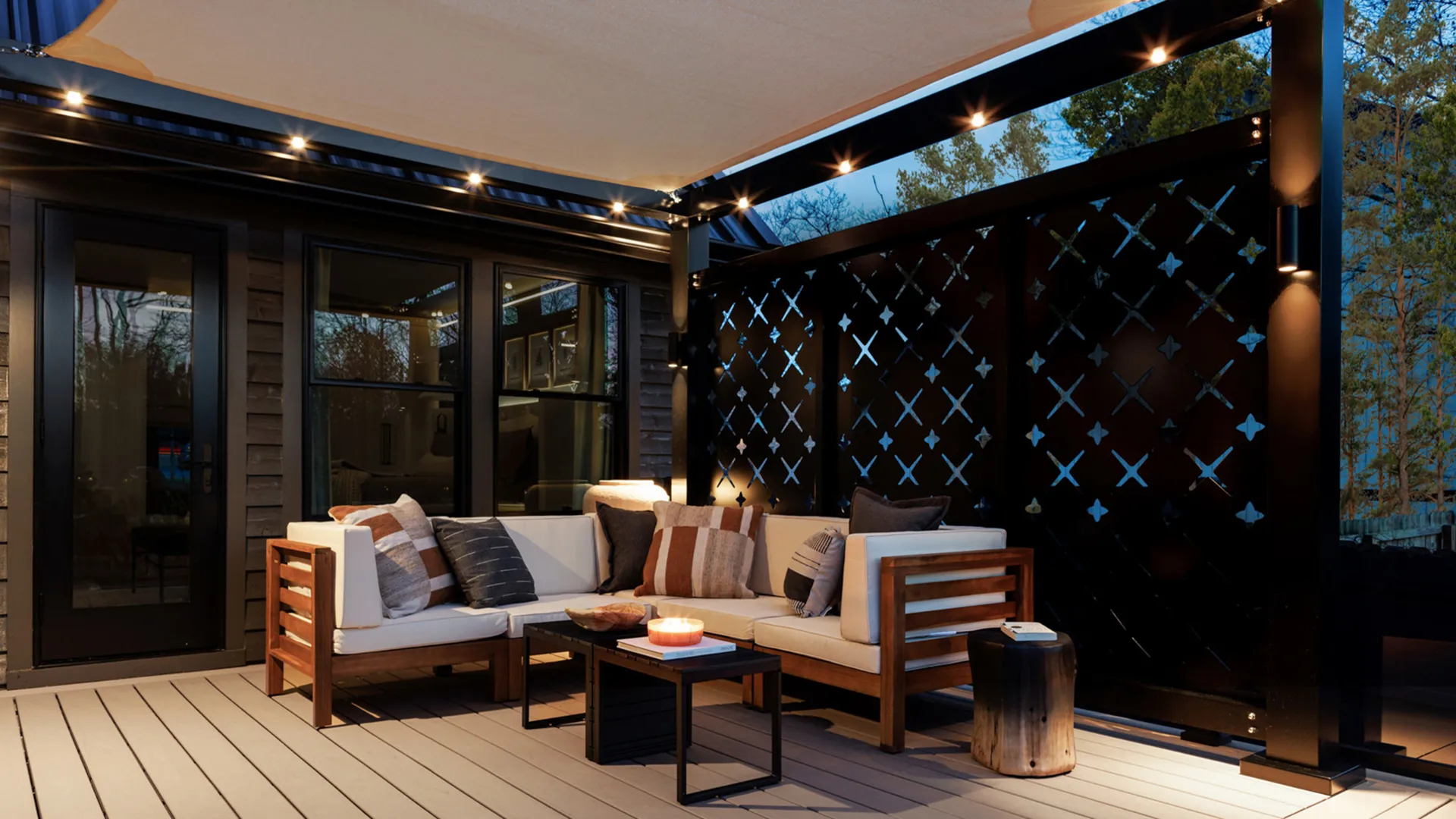
You can clean most privacy screens with mild soap, warm water, and a soft cloth, sponge, or brush for stubborn stains.
Start by removing loose leaves, cobwebs, dust, pollen, and other debris. You can use a soft brush, a broom, or gently rinse the screen with clean water.
Next, mix a small amount of mild household soap or dish detergent with warm water. Use a soft cloth, sponge, or non-abrasive brush to wash the privacy screen, working in manageable sections. Pay particular attention to corners, edges, decorative openings, and other areas where dirt tends to accumulate.
After washing, thoroughly rinse the screen with clean water to remove dirt and soap residue. Allow the privacy screen to air dry.
Always check the manufacturer’s care recommendations before using a cleaning product on your privacy screen, especially if the screen is painted or has a powder-coated finish.
Can You Pressure Wash a Privacy Screen?
A pressure washer may be too powerful for some privacy screen materials and finishes, so it is best to check the manufacturer’s instructions before using one. For routine maintenance, gentle hand washing is often all that is necessary.
High-pressure water can potentially damage certain finishes or materials. It can also force water into connections and direct a powerful spray toward nearby siding, windows, landscaping, or outdoor furniture.
If the manufacturer allows pressure washing, follow its recommendations for pressure, nozzle type, and distance from the surface.
Otherwise, a garden hose with mild soap and a soft cleaning tool gives you greater control and is usually sufficient to remove ordinary outdoor dirt.
What Cleaning Products Should You Avoid on a Privacy Screen?
Avoid abrasive or harsh cleaning products unless the privacy screen manufacturer specifically recommends them. Aggressive cleaners and cleaning tools can potentially scratch, discolor, dull, or otherwise affect some outdoor surfaces and finishes.
Products and tools that could damage your privacy screen include:
- Abrasive cleaning powders
- Steel wool
- Rough scouring pads
- Harsh solvents
- Strong chemical cleaners
- Stiff or abrasive brushes
Always start with mild soap and water, and see how that works. If that doesn’t remove stubborn stains, you can try a more aggressive cleaner with a scrub brush. But most of the time, simple soap and water will be enough.
If you’re trying a cleaning product you haven’t used before, test it on a small, inconspicuous area first. This can help you determine whether the product affects the color or finish before applying it to the entire privacy screen.
How Do You Remove Stubborn Stains From a Privacy Screen?
The best way to remove a stubborn stain depends on what caused it and what your privacy screen is made of. Always start with plain soap and water. You can get more aggressive with cleaners if necessary, but you might be surprised at how effective soap and water can be.
For pollen and ordinary outdoor dirt, washing the area with warm, soapy water and a soft brush may be enough. Textured surfaces and decorative openings may need a little extra attention because dirt can settle into small spaces.
If you find bird droppings on the privacy screen, wet the area first and let the water soften the material. This can make it easier to remove without aggressive scraping.
Tree sap can be more challenging. Before applying a solvent or specialized sap remover, check the manufacturer’s recommendations to make sure the product won’t damage the screen’s finish.
Mildew or other organic growth should also be addressed promptly. If it keeps returning, look around the screen for conditions that could be contributing to the problem, such as dense vegetation, persistent moisture, or piles of damp leaves and debris.
How Can You Prevent Damage to an Outdoor Privacy Screen?
Keeping the area around a privacy screen clean and addressing small problems right away can help prevent unnecessary wear and damage.
Keep leaves, grass clippings, soil, mulch, and other organic material from accumulating against the bottom of the screen. Damp organic debris can retain moisture, making the area harder to keep clean.
Trim back shrubs, vines, and tree branches that repeatedly rub against the privacy screen. While landscaping can beautifully complement a privacy screen, constant contact in windy weather may cause unnecessary wear.
Also, pay attention when using lawn equipment, grills, patio furniture, and other items near the screen. Avoid repeatedly bumping or scraping the surface.
If sprinklers regularly spray your privacy screen, consider adjusting them. Repeated exposure to hard water can leave visible mineral deposits on some surfaces.
You should also check your privacy screen after severe weather. Strong winds, falling branches, and flying debris can affect outdoor structures even when they otherwise require very little maintenance.
What Should You Inspect When Maintaining a Privacy Screen?
Inspect your privacy screen whenever you give it a thorough cleaning. A quick visual inspection can help you identify loose hardware, physical damage, or other problems while they are still relatively minor.
Look for:
- Loose fasteners or mounting hardware
- Panels that have shifted
- Scratches or changes in the finish
- Cracks or other visible damage
- Debris trapped around posts or mounting points
- Movement or instability that wasn’t there before
If you notice a structural or installation problem, address it according to the manufacturer’s recommendations rather than waiting for it to become worse.
Do Different Privacy Screen Materials Require Different Maintenance?
Yes. The amount and type of maintenance a privacy screen requires depend heavily on its material. Some privacy screen materials require periodic refinishing, while others primarily need routine cleaning.
Wood privacy screens typically require more maintenance than many other outdoor materials. Depending on the wood and finish, periodic staining, painting, or sealing may be needed in addition to cleaning.
Vinyl privacy screens usually just need regular cleaning with soap and water. Dirt, mildew, algae, and other outdoor buildup can become visible over time, particularly on lighter-colored surfaces.
Composite privacy screens are typically designed to minimize some of the maintenance associated with natural wood. Routine cleaning may be sufficient, although homeowners should follow the care instructions for their particular product.
Powder-coated aluminum privacy screens are very low-maintenance. Aluminum doesn’t rot like wood, and a durable powder-coated finish helps protect the surface from damage. Routine washing is usually all the maintenance that’s necessary for aluminum privacy screens.
Does Regular Maintenance Make a Privacy Screen Last Longer?
Regular maintenance helps a privacy screen last longer by preventing dirt and organic debris from damaging it.
Remove debris when you see it, wash the privacy screen periodically, avoid products that could damage its finish, and inspect the screen and its hardware while you’re cleaning.
With proper care and regular cleaning, your privacy screen can continue to provide privacy, visual interest, and definition to your outdoor living space for years to come.
Privacy Screen Maintenance FAQ
How often should an outdoor privacy screen be cleaned?
Outdoor privacy screens should be thoroughly cleaned once or twice a year, usually in the spring and in the fall. Heavy pollen, nearby trees, salt air, storms, pollution, or other environmental conditions may make more frequent cleaning beneficial.
Can I use dish soap to clean a privacy screen?
You can use a mild dish soap mixed with warm water to clean most privacy screens. Use a soft cloth, sponge, or non-abrasive brush, and rinse the surface thoroughly afterward. Always check the manufacturer’s care instructions before using any cleaning product.
Do privacy screens need to be sealed or painted?
Whether a privacy screen needs sealing or painting depends on what it’s made from. Wood screens require periodic staining, sealing, or painting. Aluminum privacy screens don’t need sealing or painting, just regular washing. Follow the manufacturer’s recommendations for your specific screen.
How can I make my privacy screen last longer?
Keep your privacy screen clean, remove leaves and other debris from around it, avoid harsh or abrasive cleaning products, inspect its panels and hardware regularly, and address damage promptly. Following the manufacturer’s maintenance recommendations is also important because different materials and finishes require different care.
Recent Posts